Texas ABA Therapy: Creating a More Inclusive World for People with Autism
We provide lifelong support, resources, and community for individuals and families affected by autism. Every person is unique — and so is their journey.
Find the resources right for you
Everyone’s autism journey is different. Select your path to get personalized information and support.
Houston ABA Center
We cover the entire Houston area, including Lampasas, Temple, San Antonio, Brenham, and nearby counties—bringing personalized support to families where they live.
Our in-home ABA therapy services cover the Entire Dallas-Fort Worth Metroplex, including, but not limited to, Celina, Waxahachie, Terrell, Royse City, and nearby counties.
Operated by barber Henry Amoloja, this 900-square-foot “sensory dream” facility is specifically designed for children with autism and sensory sensitivities.
On the occasion on World Autism Day, WHO joins families and communities worldwide in recognizing the dignity and worth of all autistic people and advocating for policies that promote neuroinclusive environments in health, education, workplaces, sports and other sectors.
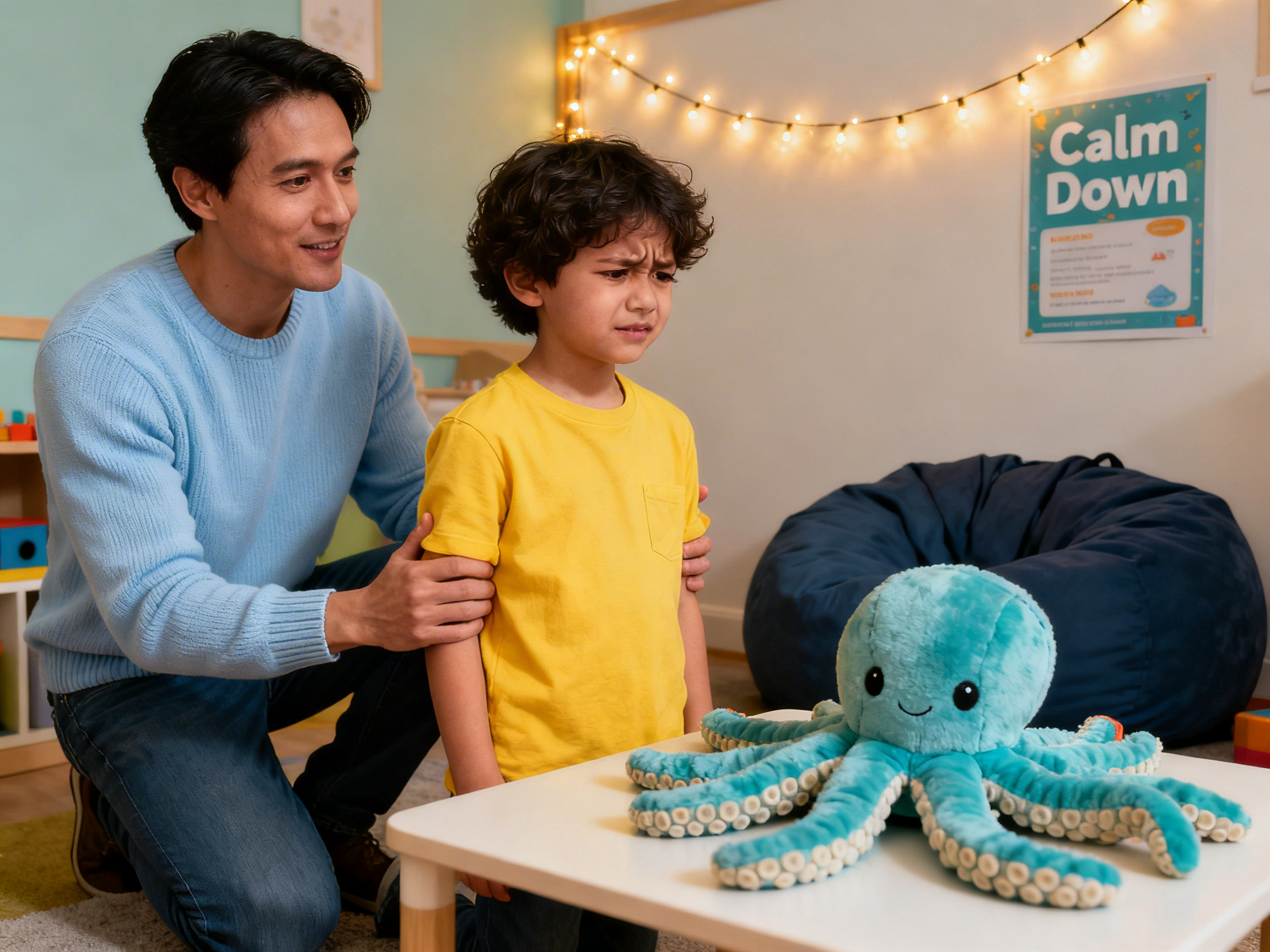
Tackling Tough Behaviors: Proactive Management Strategies for Autism Therapy at Home
Challenging behaviors—such as tantrums, aggression, or self-injury—are often the primary concern for parents of children with autism spectrum disorder (ASD).
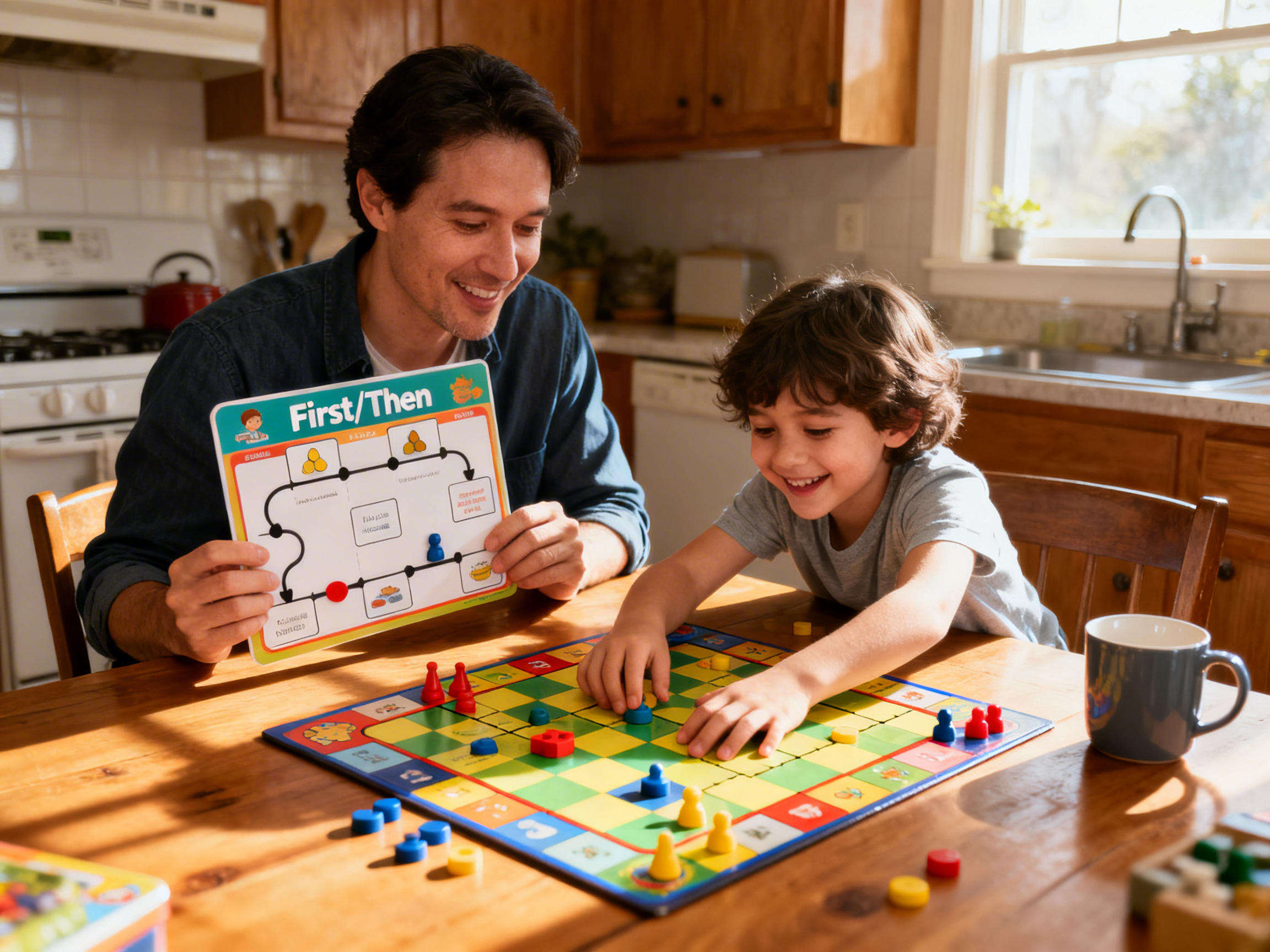
The Visual Advantage: Implementing Visual Schedules for Effective Autism Therapy at Home
For individuals with autism spectrum disorder (ASD), the world can often seem unpredictable and overwhelming. Changes in routine, unclear expectations,
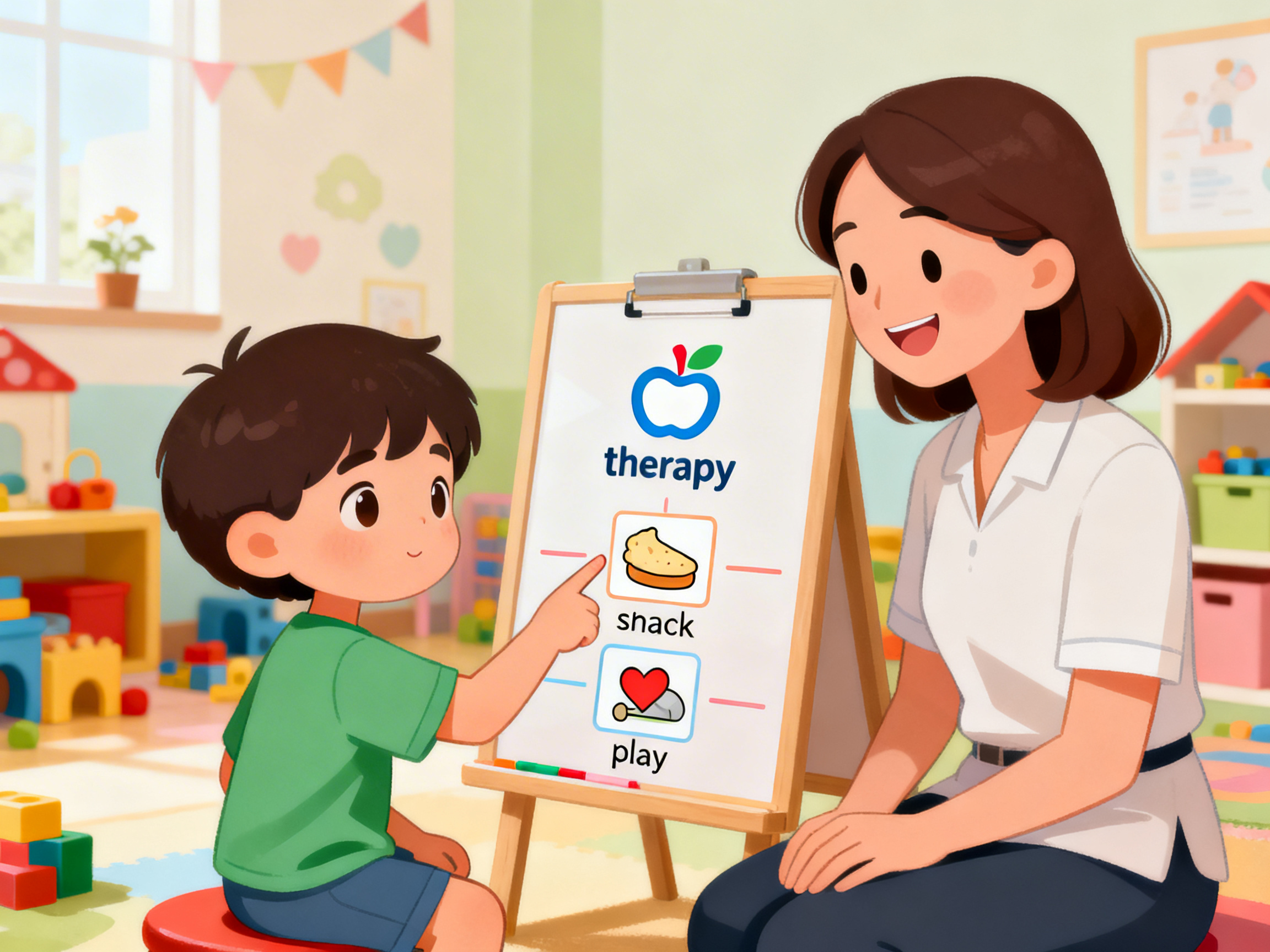
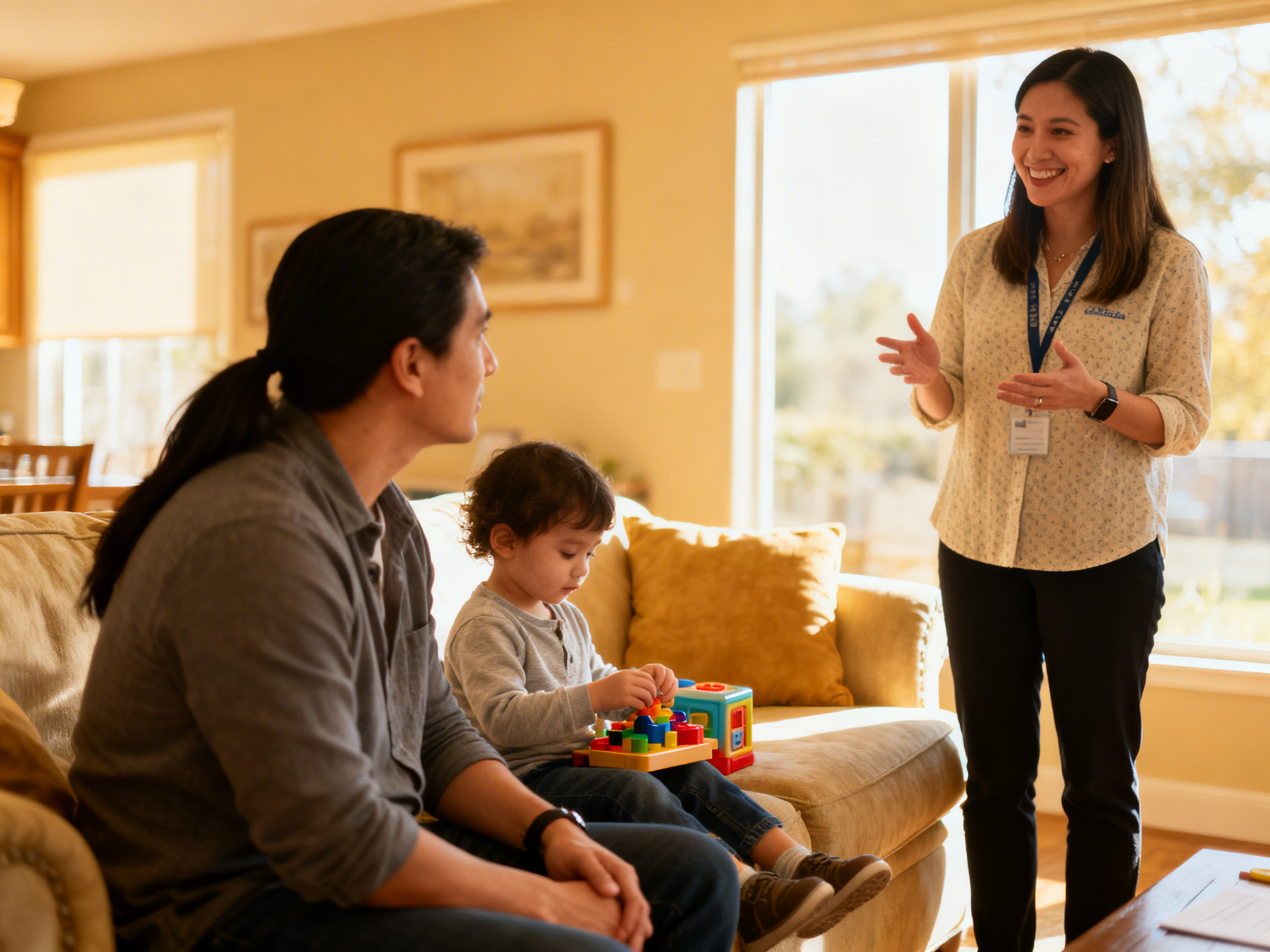
In-home ABA therapy is Applied Behavior Analysis provided in a child’s home environment. Therapists work one-on-one with children to improve communication, social, behavioral, and daily living skills using personalized strategies and positive reinforcement.
ABA therapists use structured activities, play, and daily routines to teach new skills and reduce challenging behaviors. Therapy takes place in familiar environments, helping children apply skills naturally in everyday life.
Yes. Many families find in-home ABA therapy effective because children learn skills where they spend most of their time. It also allows therapists to address real-life routines and behaviors directly.
ABA therapy can help improve: Communication skills Social interaction Attention and focus Daily living skills Emotional regulation Problem behaviors such as aggression, tantrums, or self-injury
The number of hours varies based on the child’s needs, goals, and assessment results. Some children benefit from 10–15 hours weekly, while others may require more intensive programs.
Sessions may include: Play-based learning Communication exercises Behavior management strategies Social skills practice Daily routine training Parent coaching and feedback
Therapists use positive reinforcement, modeling, repetition, and interactive activities to teach children how to express needs, follow directions, interact socially, and build relationships.
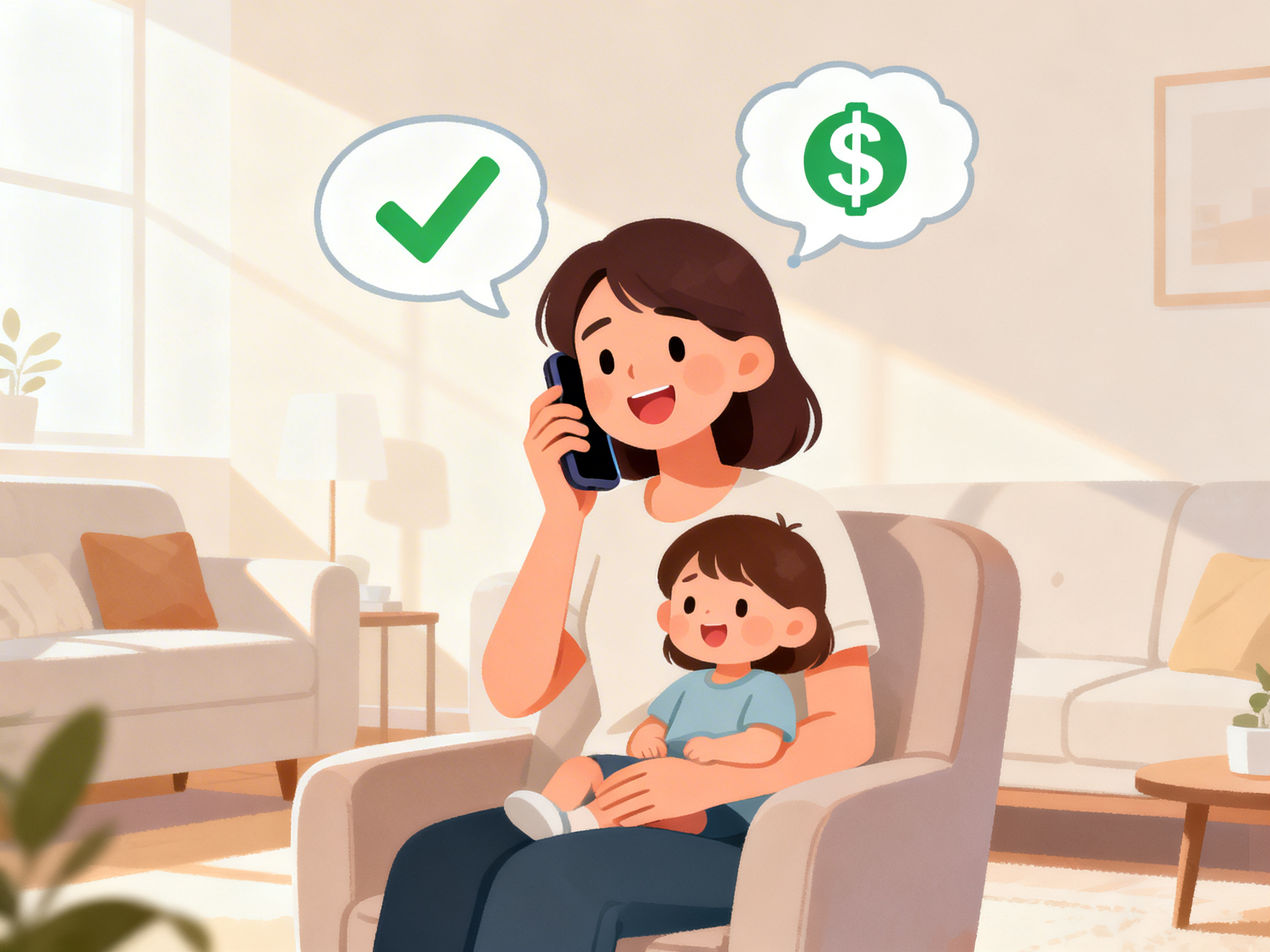
Many insurance plans cover ABA therapy, especially for children diagnosed with autism spectrum disorder. Coverage depends on your provider, policy, and state requirements.
Costs vary depending on location, therapy hours, and insurance coverage. Without insurance, ABA therapy can be expensive, but many providers offer assistance with insurance verification and payment options.